100 Days School: Faux Yarn Trendy Design for Creatives
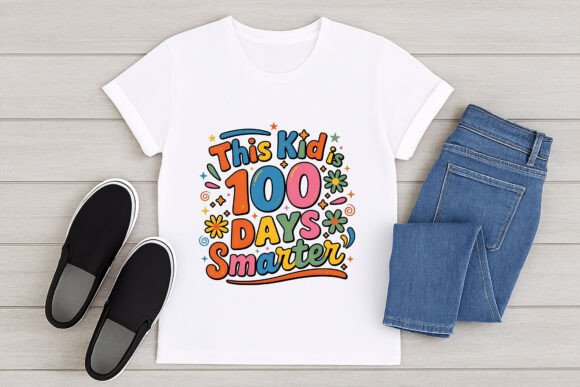
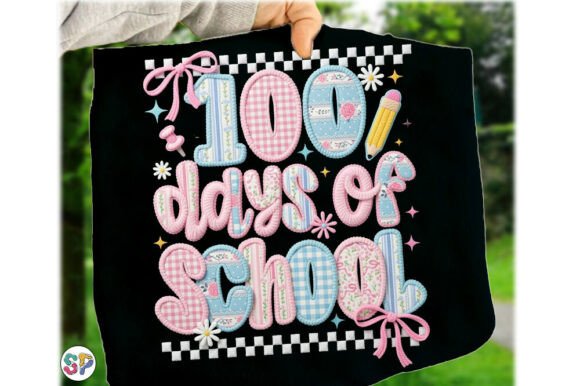
The playful, textured aesthetic of the "100 Days School, Faux Yarn Trendy Design" is capturing attention across the creative landscape, offering a fresh and tactile visual language. This design style, characterized by its simulated stitch-work and cozy, handcrafted appearance, bridges the gap between digital precision and artisanal charm. It's more than just a trend; it's a versatile tool for designers aiming to inject warmth, nostalgia, and a distinct personality into modern graphic design projects, from brand identity to social media graphics.
Why This Textured Style Resonates in Modern Design
In an era saturated with flat, minimalist graphics, the faux yarn aesthetic provides a necessary counterpoint. Its value lies in its ability to evoke specific emotions and connections. The look taps into the popular "craftcore" movement, suggesting care, authenticity, and a personalized touch. For brands and creators, this translates into powerful visual communication. A design featuring this style can instantly feel more approachable, memorable, and human, strengthening brand identity by creating a unique sensory experience that flat vectors often lack.
Practical Applications for Designers and Marketers
The utility of a high-quality PNG file like the one described extends far beyond a single use. Its true power is in its adaptability across a wide range of creative projects. Consider these practical applications:
- Branding and Logo Design: Incorporate the textured element into logos, submarks, or brand patterns to build a distinct visual identity for businesses in education, lifestyle, crafts, or family-focused niches.
- Marketing Materials: Use it on digital ads, email headers, and print flyers to add a standout, tactile quality that grabs attention in crowded feeds.
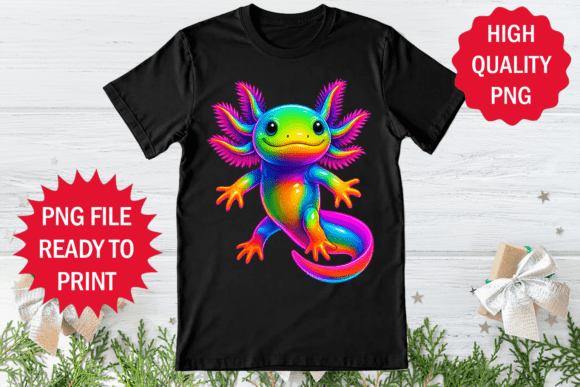
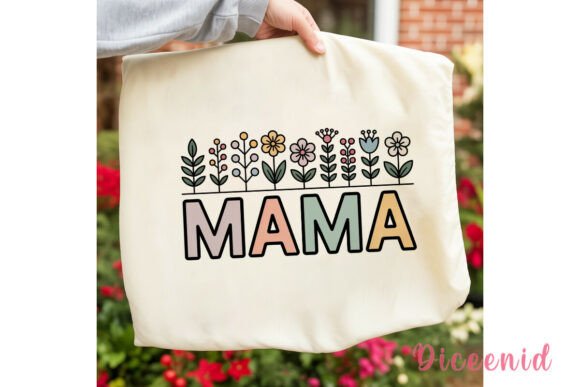
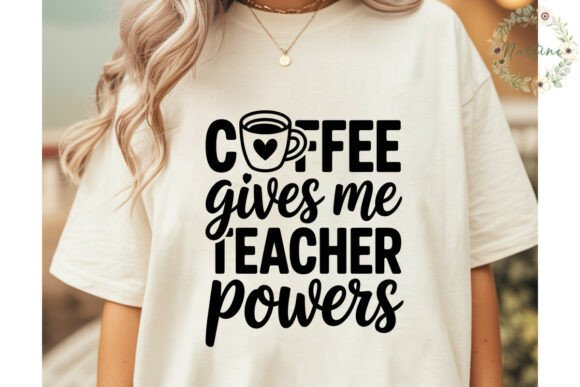
- Merchandise and POD Items: The design is perfectly suited for print-on-demand products like t-shirts, tote bags, mugs, and phone cases, offering customers trendy, ready-made artwork.
- Digital Products and Editorial Design: Enhance the visual hierarchy of e-books, planners, journals, and social media graphics. The texture can serve as a captivating background or a focal point in a layout.
- Web and UI Design: Strategically use the pattern in website banners, section dividers, or app interface elements to break visual monotony and guide user experience with a unique aesthetic.
Integrating Trendy Assets Effectively
When selecting and using such a design asset, a thoughtful approach ensures it enhances rather than overwhelms your project. Start by evaluating its compatibility with your existing color palette and typography. The faux yarn style often works best with complementary fonts—pair it with clean sans-serifs for a modern contrast or with handwritten scripts to amplify the cozy vibe. Always consider scalability; the high-resolution 4500×5400 px file at 300 DPI ensures crispness whether used as a small icon or a large-format print, which is crucial for professional presentation and packaging design.
Maintain visual hierarchy by allowing the textured design to be the hero element. Avoid cluttering the composition with competing details. Instead, use solid color blocks or ample negative space to frame it. This principle is key in everything from advertising campaigns to UI design, where clarity of message is paramount. Think of the asset as a powerful ingredient; its impact is greatest when used with intention and balance within your broader design workflow.
Ultimately, incorporating a trend-forward element like the 100 Days School, Faux Yarn Trendy Design is about making a strategic choice to connect with your audience on an emotional level. Quality creative assets do more than just decorate—they communicate values, tell a story, and elevate the perceived quality of your work. By thoughtfully applying such resources, designers and creators can produce work that is not only visually engaging but also deeply resonant, ensuring their projects stand out in a meaningful way.